All Categories
Featured
Table of Contents
Walmart's vendor-managed model, meanwhile, indicates suppliers can access their own data from Walmart's details system and have more control over their stock management requirements. Source: Effective starts with comprehending what you have in stock, how it's performing, and when you'll require more of it. You need to keep precise records for each item and ensure your system updates whenever there's a change to the stock.
Each company has different top priorities, so you need to identify what you want to accomplish with a stock management system. JIT or dropshipping approaches can help.
There's a strong case for automation in inventory management, however in some cases there's space for the human touch. Manual stock counting serves as a backup for your digital systems, and it's useful for counting low amounts of high-value items. You're more most likely to find outdated, taken, or damaged stock if you check it personally.
Automating Store Operations to Ensure Financial Sustainability
Often, this will be through using technology. Presenting barcode scanners will assist storage facility personnel locate the ideal products and enhancing warehouse designs will save them time.
You ought to monitor your suppliers' performance and guarantee you're getting the finest worth. Brightpearl provides you a dedicated portal for provider management. Manual stock management techniques used to be prevalent, and some little organizations still utilize them. The problem is that handbook work is lengthy and error-prone. Paper records can easily be lost or destroyed.
Predictive Cash Flow: The Key to Long-Term Storefront SustainabilityAnd the bigger your stock gets, the more difficult it is to track by hand. By taking stock management online, you can digitize your records, automate procedures, and keep everything in one location. The system ought to upgrade immediately whenever there's a change.
Navigating 2026 Business Loan Requirements for Modern Growth
As you're accountable for upkeep and upgrades, you'll need an internal IT teamnot to mention area to keep bulky servers. The option is a cloud-based option, where all your systems and information are housed and kept by your service provider, and your whole team can access the system from anywhere. Cloud-based inventory management makes it easy to scale, as you pay a flat month-to-month membership and add more users or features when you need them.
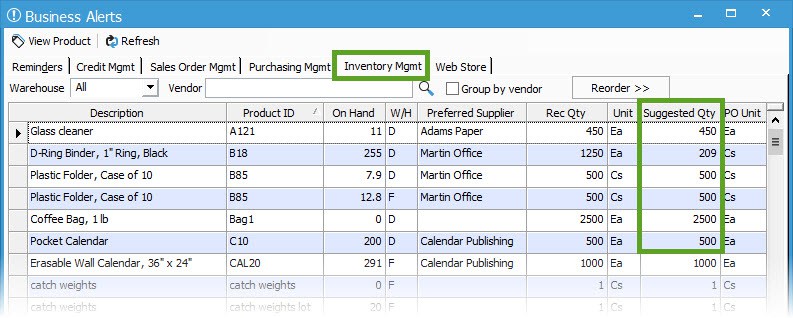
Here are a couple of alternative services and how they accumulate: Source: NetSuite is a modular ERP system that consists of inventory control. It provides a real-time view of stock and reduces manual processes with automated tracking. It enables multi-location satisfaction, demand-based replenishment, cycle counting, and lot and serial tracing. The flexible features mean there's a steep knowing curve, however.
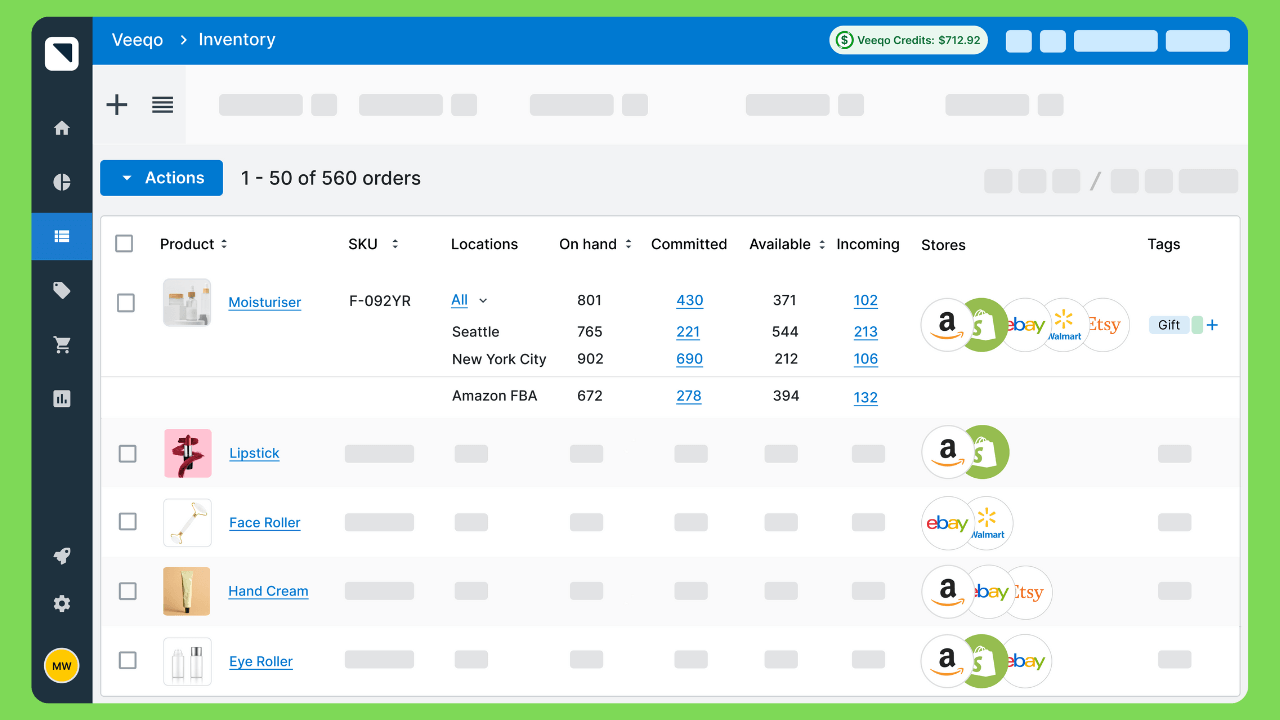
It doesn't have lots of integrations, does not utilize APIs, and charges extra for Shopify Adapter. If you're an omnichannel seller, you'll likely require modifications to satisfy your requirements. Plus, you'll be spending for functions and elements you do not require. Your annual license charge covers the core platform, optional modules, and the number of users.
There's likewise a one-time execution cost. Source: QuickBooks Commerce is a B2B-focused cloud-based system that comprises inventory management, order processing, and supply chain management.
It's developed to work flawlessly with QuickBooks Online's accounting suite, however Commerce is only offered as part of that package. It's still inexpensive, presently $52.50/ month for the very first 3 months (routine rate: QuickBooks Commerce $50/month and QuickBooks Online Essentials $55/month). If you already have QB Online, you can include Commerce for $25/month for the first 3 months.
Navigating Business Loan Criteria for Growth
It does not have versatile payment alternatives or high-volume adapters (the integration with Xero is unreliable). Neither does it support any POS combinations, which isn't perfect if you have physical stores. Generally, the features are less sophisticated than Brightpearl, particularly when it concerns personalized workflow automation. The site describes QB Commerce as "currently available to a limited group of customers" and points out a wait-list.
It has order management automation (consisting of order) and demand forecasting with real-time data and the ability to handle provider relationships. There are 70+ markets and multichannel combinations, and you can link major providers and satisfaction services. But it does not have integrated real-time accounting or native combinations to third-party accounting software.

Latest Posts
How Operational Automation Secures Long-term Financial Sustainability
Preparing for Business Loan Applications in 2026
Future-Proofing Your Finances With Smart Accounting Tips