All Categories
Featured
Table of Contents
The benefit is that you can count this stock without affecting your daily operations. It doesn't inform you your overall stock levels, so it's not a substitute for a complete count.
Make certain everybody knows the policies for each job, and ask for feedback on what would make things easier. This kind of stock management planning will provide you a running start as your service expands and your inventory turnover boosts. Even if you're a small company, attempting to manage your stock with entirely manual methods takes a lot of time and leaves you open up to pricey mistakes.
Smart demand preparation and inventory management will assist keep inventory costs low while satisfying customer expectations. Inventory management controls allow multichannel and multi-location fulfillment.
Streamlining Store Stock Systems
The benefit is that you get more visibility into your operations, and you can make smarter decisions on how to enhance your stock. Brightpearl is an extensive Retail Operating System that's designed specifically for omnichannel merchants. It consists of stock and sales order management, order satisfaction and shipping, warehouse management, accounting, company intelligence, and built-in POS (point of sale) and CRM.
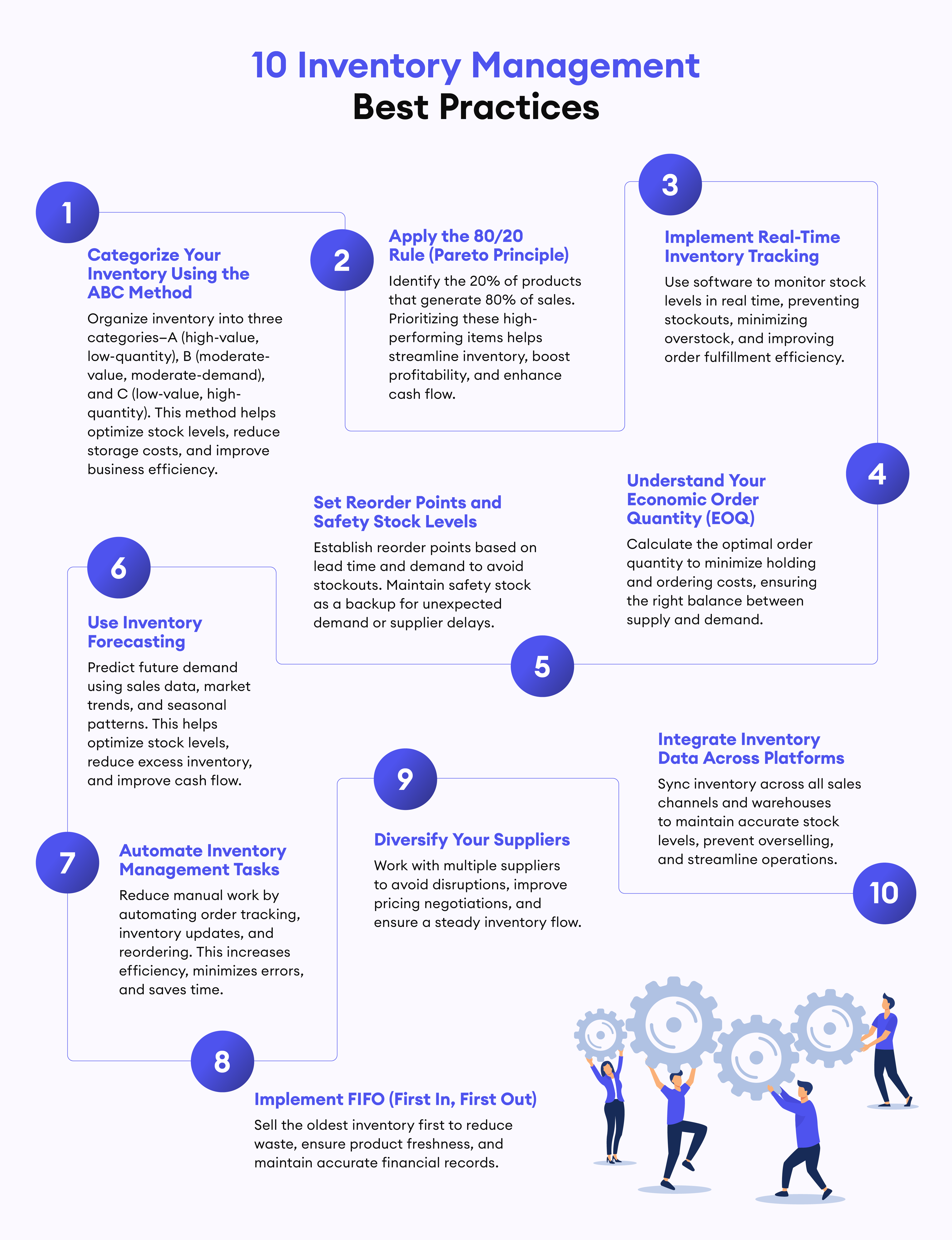
Accuracy is everything when it concerns stock tracking. Brightpearl instantly updates your stock throughout all sales channels immediately after any new orders, replenishments, returns, and storage facility transfers. The incorporated POS likewise synchronizes your online and offline channels in real time. You can make complete or partial cycle counts based upon things like product performance, item worth, and location and even track basic material inventory.
Why Operational Automation Is Key for Inventory Management
Brightpearl's integrated Stock Planner offers data-driven need forecasting alongside robust analytics and reporting abilities. You can monitor changing consumer need, market modifications, and new patterns, as well as the sales efficiency of each itemtaking seasonality into account. The system also provides you replenishment suggestions when a product is running low.
It also reduces labor costs by 50%, cuts shipping time by 92%, and decreases human error by 65%. You can automate multi-location fulfillment (such as order routing, splitting, backorders, and dropshipping), assign orders to different warehouses, and transfer stock between warehouses. Automation also encompasses printing shipping labels. By combining data from all your sales channels, Brightpearl reveals you which items are offering well and which could be doing much better.
This analysis also assists with forecasting and storage facility optimization. Select the FIFO (First-in, First-out) accounting model or account for your COGS (Expense of Product Sold) at the point of delivery or billing, and easily determine landed expenses.
Maximizing Employee Scheduling for Better ROI
You can set your own reorder point, and the system will inform you when it's reached. The convenient Replenishment Report reveals you which products need to be reordered and in what amounts. It'll even suggest which supplier to utilize, and you can create purchase orders in one click. When it pertains to choosing inventory management services, it's practical for company owner to make a list of needed tools and functions.
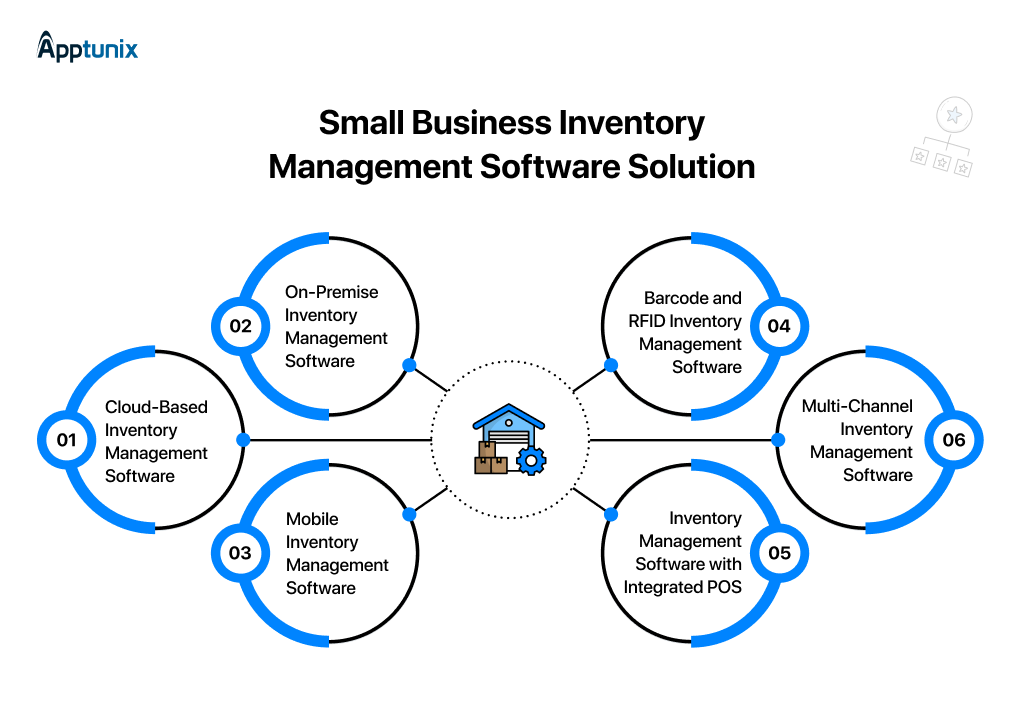
Streamlining Store Stock SystemsIt's always worth getting a complimentary trial of the software application. As ease of use and scalability, you'll want to look at security, uptime, and level of assistance. Be conscious of any hidden charges, and inspect if combinations are pre-built by the supplier. Some companies pick to utilize standalone stock software application and link it to a WMS or OMS platform.
Here are a few examples of business that have nailed their stock management techniques: Toyota originated the JIT method in 1970, and it showed so reliable that they're still utilizing it today. In their technique, raw products for car manufacturing are not brought to the production floor until a customer order is received.
Apple also utilizes JIT concepts within its manufacturing procedure but in a somewhat various method. Apple's strategy is built on strong supplier relationships, which allows production to be contracted out in order to keep costs down and lower the danger of overstocking. Apple has 150 crucial suppliers around the world but just one warehouse in the USand most of its stock is housed in its own retailers.

Latest Posts
How Operational Automation Secures Long-term Financial Sustainability
Preparing for Business Loan Applications in 2026
Future-Proofing Your Finances With Smart Accounting Tips