All Categories
Featured
Table of Contents
In Texas, as with anywhere else, showing both a strong business foundation and financial reliability is important. The plan needs to also present detailed, as well as forecasts that information how the loan will be utilized as to achieve specific development goals.
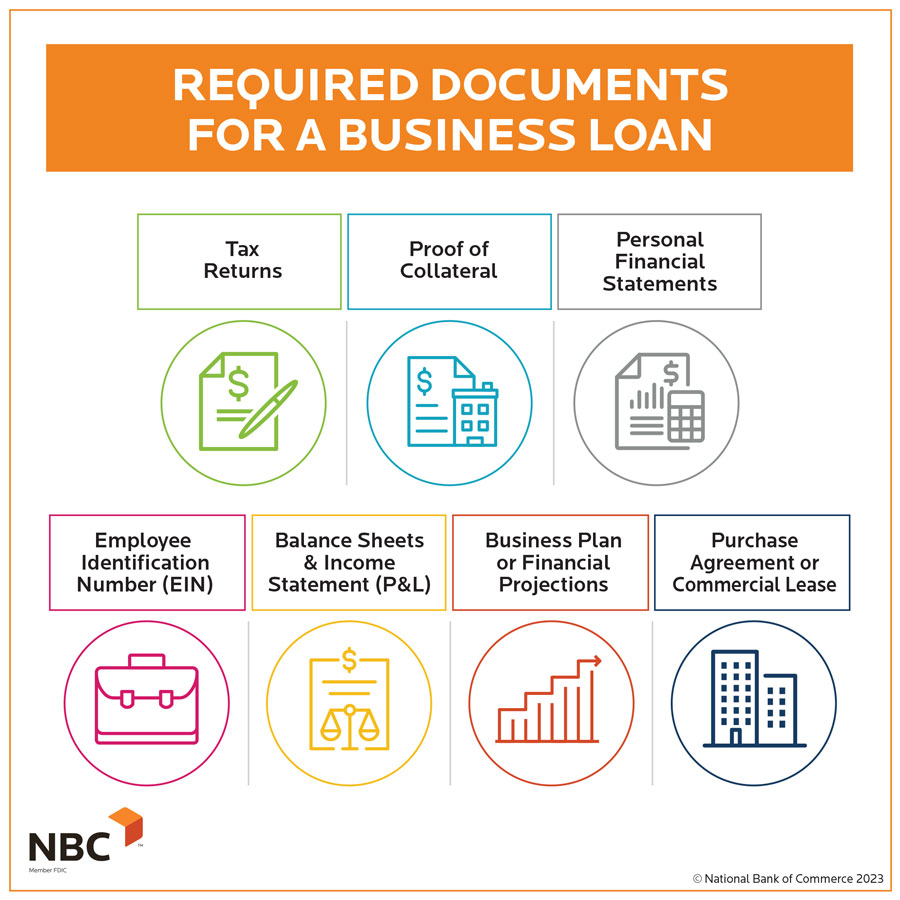
They consider and records to determine. frequently mandate a minimum credit history, making it vital for services to manage their credit carefully. Furthermore, lenders will evaluate previous and projected to ensure appropriate after loan disbursements. Organizations ought to prepare to show how they mean to service the financial obligation through plainly articulated and use of funds.
For these business, including those led by and those in, standard bank loans might not be a practical choice. They might offer smaller quantities of capital that can be vital for initial costs like inventory and working capital.
Optimising Store Inventory to Reduce Costs: Usually ranging from $10,000 to $50,000, to cover start-up costs.: May exchange equity for capital, concentrating on promising startups.: Permits businesses to raise little amounts of cash from lots of backers. often have a track record which can facilitate access to additional financing types such as or larger term loans.
How to Optimising Digital Inventory Systems Smartly
Alternatives like offer a series of terms ideal for established companies, with APRs that can be competitive. Furthermore, some organizations offer programs designed to provide fast financing with low rates to assist maintain working capital, supporting companies poised for expansion.: Loans of $10,000 to $1,000,000+, providing a swelling amount for bigger financial investments.
: Custom-made loans created specifically for buying company devices. Once a small company in Texas secures a loan, prioritizing financial management is essential to guarantee smooth repayment and effective use of the funds for functions like service expansion, payroll, and buying devices. It is necessary for businesses to keep to handle successfully.
Securing capital is an essential decision for little organizations. In 2026, little businesses in Florida and Georgia will have more lending choices than ever, consisting of SBA loans, term loans, lines of credit, commercial real estate nancing, and equipment nancing.
This guide lays out readily available loan types, SBA program specics, how credit unions compare to banks, credit rating benchmarks, paperwork, denial factors, and specialized property/equipment and automobile loans. Each area oers a fundamental understanding before satisfying a lender.iTHINK Financial oers small company owners in Florida and Georgia a series of obtaining alternatives created to match their growth cycle from SBA and term loans to credit lines, business real estate nancing, and automobile and equipment loans.
Navigating Key Business Loan Criteria for 2026
Check out company financing at iTHINK Financial. Access to capital is an important organization choice that shapes money ow and growth.
SBA loans are government-backed and released by approved loan providers (SBA 7(a) loans are typical). Commercial genuine estate loans are for buying, constructing, or refurbishing owner-occupied service home, underwritten based on the business's earnings capacity.
Comprehending common loan sizes assists entrepreneur calibrate their expectations before applying. The approximated U.S. bank loan market was valued at over $1.4 trillion since early 2026, and across approved debtors, little organizations received approximately 75% of the financing amount they requested. Loan quantities differ commonly by item and lender, but most of small company owners seek amounts under $500,000, putting conventional term loans, SBA 7(a) items, and credit union nancing well within reach for many applicants.
The SBA ensures a portion of loans from approved loan providers, motivating them to nance services that may not get approved for standard loans. For little services in Florida and Georgia, SBA 7(a) loans are an extremely exible and borrower-friendly nancing option. Qualified usages under the 7(a) program are broad. Service owners can use earnings genuine estate purchase or renance, service acquisition or start-up costs, equipment purchases, inventory, buildouts, and working capital.

Latest Posts
How Operational Automation Secures Long-term Financial Sustainability
Preparing for Business Loan Applications in 2026
Future-Proofing Your Finances With Smart Accounting Tips